Last Updated: September 2026
A first-time OVI (Ohio's legal term for DUI) conviction comes with a mandatory court fine of at least $565, plus a $315 license reinstatement fee — and that's before bail, towing, insurance increases, or attorney fees are added in. Most first-time offenders end up paying somewhere between $3,000 and $10,000 in total once every cost is accounted for.
Here's how those costs typically break down:
| Cost | Typical Amount |
|---|---|
| Court fine (1st offense) | $565–$1,075 |
| License reinstatement fee | $315 |
| Bail/bond | A few hundred to several thousand dollars |
| Towing & impound | Several hundred dollars |
| Ignition interlock device (if ordered) | Install fee + monthly monitoring fee |
| Insurance increase | Often lasts 3–5 years |
| Driver Intervention Program | Varies |
| Attorney fees | Varies — see our DUI Lawyer Cost guide |
Below, we break down where each of these costs comes from — and why having an experienced OVI defense attorney matters at every stage.
The Immediate Costs of a DUI (OVI)
When you're arrested for OVI in Ohio, you'll typically face several costs right away, before your case is even resolved.
Bail
Bail is the sum you pay the court to secure your release while your case is pending. It's meant to ensure you return for your court appearances rather than skip town.
Bail amounts for OVI cases can range from a few hundred to several thousand dollars, and they vary based on:
- Severity of the offense — a high BAC, an accident, or injuries to others can increase your bail.
- Criminal history — prior OVI or other convictions can lead to higher bail, or in some cases, none at all.
- Flight risk — if the court believes you may leave the jurisdiction, it may set higher bail or add conditions like surrendering your passport.
You may sometimes be released on your own recognizance (OR), meaning you promise to return without paying bail — though this is less common in OVI cases, especially with aggravating circumstances. If you can't afford the full bail amount, a bail bondsman can post it on your behalf for a non-refundable fee, usually around 10% of the total — sometimes requiring collateral such as property.
Towing and Impound Fees
After an OVI arrest, your vehicle will likely be towed and impounded. To get it back, you'll typically need to pay:
- Towing fees — based on distance and the towing company's rates.
- Impound (storage) fees — a daily fee that accumulates the longer your car sits.
- Administrative fees — some jurisdictions add extra charges related to the tow and impoundment.
These fees can add up to several hundred dollars quickly, so retrieving your vehicle as soon as possible helps limit the cost — though in some cases the court may hold the vehicle until your case concludes. If towing and impound fees go unpaid, the vehicle can ultimately be auctioned to cover them.
Attorney Fees
Legal fees are one of the largest costs in an OVI case, and they vary based on the complexity of your case, your attorney's experience, your jurisdiction, and the firm's billing structure (hourly, flat fee, or payment plan). For a full breakdown of what drives DUI attorney costs and typical fee ranges, see our [How Much Does a DUI Lawyer Cost?] guide — the short version is that it's an investment that frequently pays for itself by reducing fines, avoiding a conviction, or minimizing the long-term costs below.
Long-Term Costs of a DUI (OVI) Conviction
The costs of an OVI don't end when your case is resolved. A conviction carries ongoing financial consequences, some of which last for years.
Fines and Court Fees
Ohio's mandatory minimum fines increased in 2025 under Liv's Law (House Bill 37). A first OVI offense now carries a fine of $565 to $1,075 — up from the previous $375 minimum. On top of the fine itself, you'll owe court costs for filing, hearings, and other administrative expenses, which can add hundreds more to your total.
Penalties increase substantially for repeat offenses, with second- and third-offense minimums rising as well, along with longer license suspensions and, in some cases, mandatory ignition interlock requirements.
License Reinstatement Fees
If your license is suspended or revoked following an OVI, you'll need to pay a reinstatement fee once your suspension period ends. In Ohio, this fee is currently $315 (reduced from the previous $475 under Liv's Law). If you have multiple OVI convictions, you may owe a separate reinstatement fee for each one.
Beyond the fee itself, reinstatement often requires completing a required education or treatment program, passing a driving test, or providing proof of insurance. Driving on a suspended license is a separate offense that can add further fines, fees, and even jail time — so it's worth confirming your eligibility to reinstate before getting back behind the wheel.
Ignition Interlock Device (IID)
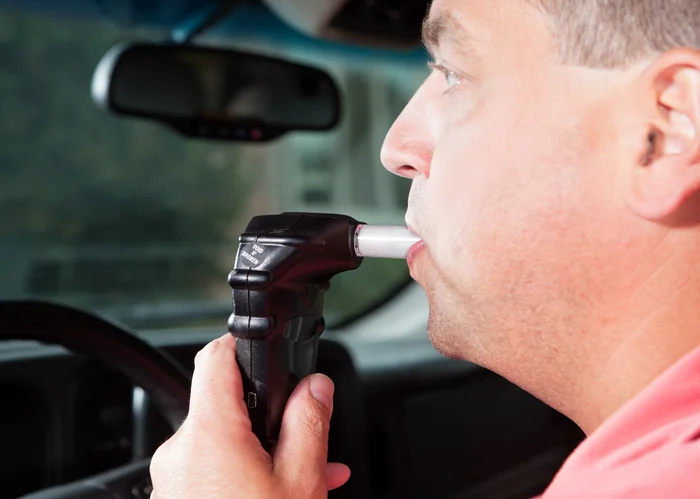
An ignition interlock device is a breathalyzer installed in your vehicle that prevents it from starting if it detects alcohol on your breath. Under Liv's Law, an IID is now mandatory for repeat OVI offenders, and for certain first-time offenders with a prior physical-control conviction — a stricter standard than before.
Costs include an installation fee (typically a few hundred to over a thousand dollars, depending on the device and installer) plus an ongoing monthly monitoring fee for as long as the device is required. Beyond the expense, an IID requires a breath sample every time you want to start your car — which many drivers find inconvenient and, at times, embarrassing in front of passengers.
Increased Insurance Premiums
An OVI conviction is one of the most significant long-term costs, because insurers treat it as a major risk factor. Depending on your driving record and the specifics of your case, your premiums can double or even triple. You may also be required to file an SR-22 — a certificate proving you carry the state's minimum liability coverage — which not all insurers offer, and which typically comes with its own fee.
Most insurers factor an OVI into your rates for three to five years, though some look back as far as ten. That means the insurance cost of a single conviction often outlasts every other expense on this list.
Driver Intervention Program (DIP)
Ohio law requires most first-time OVI offenders to complete a 72-hour Driver Intervention Program (DIP) — a state-licensed residential program covering alcohol education and assessment — as part of sentencing. For offenders with a more serious substance use history, courts may instead order a longer treatment program involving individual or group therapy and ongoing monitoring.
Program costs vary by provider and length; some community-based options are low-cost or subsidized, while private residential programs can run several hundred to several thousand dollars. Completing a program is a sentencing requirement, not a guarantee against future consequences — but it is a required step toward reinstatement.
Talk to an Ohio OVI Defense Attorney Before It Costs You More
An OVI conviction's true cost isn't just the fine — it's the fine, the reinstatement fee, the interlock, the insurance increase, and the treatment program, all stacked together, often for years. The best way to reduce that total is to fight the charge itself: a strong defense can mean a reduced charge, a dismissal, or eligibility for programs that limit the long-term financial impact.
If you or a loved one has been arrested for OVI in Ohio, contact Patituce & Associates today to discuss your case and your options.