
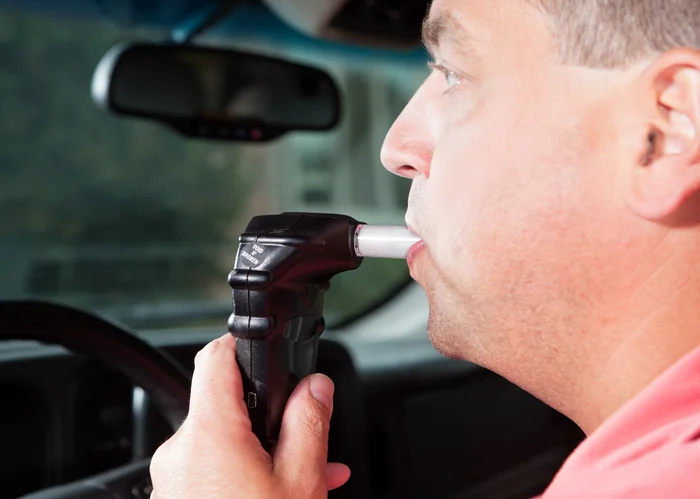
A breath test result can feel like the most damaging piece of evidence in an Ohio DUI case. After all, if a breath-testing device produces a number, it is easy to assume that number settles the question of whether a person was impaired. But a breath-test result is not automatically the end of the discussion.
Ohio law establishes specific requirements for evidential breath testing, including approved instruments, testing procedures, operator requirements, and instrument checks and certifications. (Ohio Revised Code) When those requirements become an issue, the defense may have grounds to question whether the result should be relied upon in court.
That is why an Ohio DUI, or OVI, case should not be evaluated based solely on the number displayed by a breath-testing device.
Why Does the Breath Test Matter in an Ohio DUI Case?
Ohio’s DUI law addresses both impairment and certain alcohol concentrations. Under Ohio Revised Code Section 4511.19, a person may face an OVI charge based on being under the influence of alcohol or based on a prohibited alcohol concentration, including specified concentrations measured through breath. (Ohio Revised Code)
This means the prosecution may rely on a chemical test as part of its case. But the existence of a test result does not necessarily answer every legal question surrounding the test.
A defense attorney may need to look beyond the reported number. How was the test administered? What instrument was used? Was the machine properly maintained? Were required checks performed? Was the operator properly authorized? Were the applicable procedures followed?
Those questions can become important when determining whether a breath-test result is reliable and admissible.
Was the Correct Breath-Testing Instrument Used?
Ohio regulations identify specific evidential breath-testing instruments that are approved for use in determining prohibited breath-alcohol concentrations. The list includes certain BAC DataMaster and Intoxilyzer models. (Ohio Revised Code)
That makes the identity and history of the particular machine relevant.
A defense review can examine what instrument was used during the arrest and whether that instrument was approved for evidential testing under the applicable Ohio requirements. This is not simply a matter of looking at the machine’s brand name. The details surrounding the instrument and its operation can matter.
A breath test should be treated as evidence that requires examination—not as an unquestionable fact.
Were the Required Checks and Certifications Performed?
Ohio’s administrative rules establish requirements concerning breath-testing instruments, including instrument checks, controls, certifications, and maintenance. Depending on the specific instrument involved, the rules establish requirements for periodic checks or controls and set standards for acceptable results. (Ohio Revised Code)
For example, certain approved instruments must undergo regular checks using an approved alcohol solution, while other instruments have different control and certification requirements. The rules also address what happens when an instrument check or certification falls outside the permitted range. (Ohio Revised Code)
That information can be important to a defense attorney reviewing a breath-test result.
If records reveal an issue with required testing, certification, maintenance, or instrument operation, the defense may have an opportunity to challenge the reliability or admissibility of the evidence, depending on the circumstances and applicable law.
Was the Test Administered According to Ohio Requirements?
A breath-testing device does not operate in a vacuum. There are procedures surrounding the collection and analysis of the breath sample.
Ohio’s administrative rules require approved breath-testing instruments to analyze deep-lung air and, for certain instruments, require samples to be analyzed according to the applicable operational checklist. (Ohio Revised Code)
A defense investigation can therefore involve more than asking whether the machine produced a particular number. The attorney may examine the test records, operational documentation, instrument information, and other evidence surrounding the test.
The goal is to understand exactly what happened—not simply accept the prosecution’s interpretation of what happened.
Can the Circumstances Before the Breath Test Matter?
Yes. A breath-test result is only one part of a DUI investigation.
A thorough defense review may also examine the traffic stop, the officer’s observations, field sobriety testing, statements made during the encounter, body-camera or dash-camera footage, and the circumstances leading to the arrest.
The reason for the initial traffic stop can matter. So can the officer’s justification for continuing the investigation. If there are questions concerning whether law enforcement acted within constitutional or statutory limits, those issues may affect what evidence can ultimately be used.
The video can also provide valuable context. A written report may describe an encounter one way, while available video may provide a more complete picture.
Does a Breath Test Automatically Mean a Person Will Be Convicted?
No.
A breath-test result can be important evidence, but a criminal case involves more than one piece of evidence. Ohio DUI cases can involve multiple allegations, including an impairment-based allegation and an allegation based on a prohibited alcohol concentration. (Ohio Revised Code)
The defense should examine the prosecution’s entire case rather than assume that a reported breath-test number determines the outcome.
In some cases, the most important question is whether the test result can be challenged. In others, the stronger issue may involve the traffic stop, field sobriety testing, probable cause, constitutional violations, or another weakness in the prosecution’s evidence.
Every case requires an individualized review.
What Should You Do After Receiving an Ohio DUI Charge?
Do not assume that the case is over because a breath test produced an unfavorable result.
Avoid making unnecessary statements about the circumstances of your arrest, and preserve any paperwork you received. If you know that dash-camera or body-camera footage may exist, tell your attorney as soon as possible.
Most importantly, speak with an experienced Ohio DUI defense attorney before deciding how to approach the charge.
At Patituce & Associates, our defense attorneys understand that a DUI case requires more than simply reading the number on a breath-test report. We can examine the evidence, investigate the circumstances surrounding the stop and arrest, review available testing records, and determine whether there are grounds to challenge the prosecution’s case.
If you are facing an Ohio DUI or DUI charge, do not assume a breath-test result makes your case hopeless. Contact Patituce & Associates at (440) 771-1175 to discuss your case and learn about your legal options.