
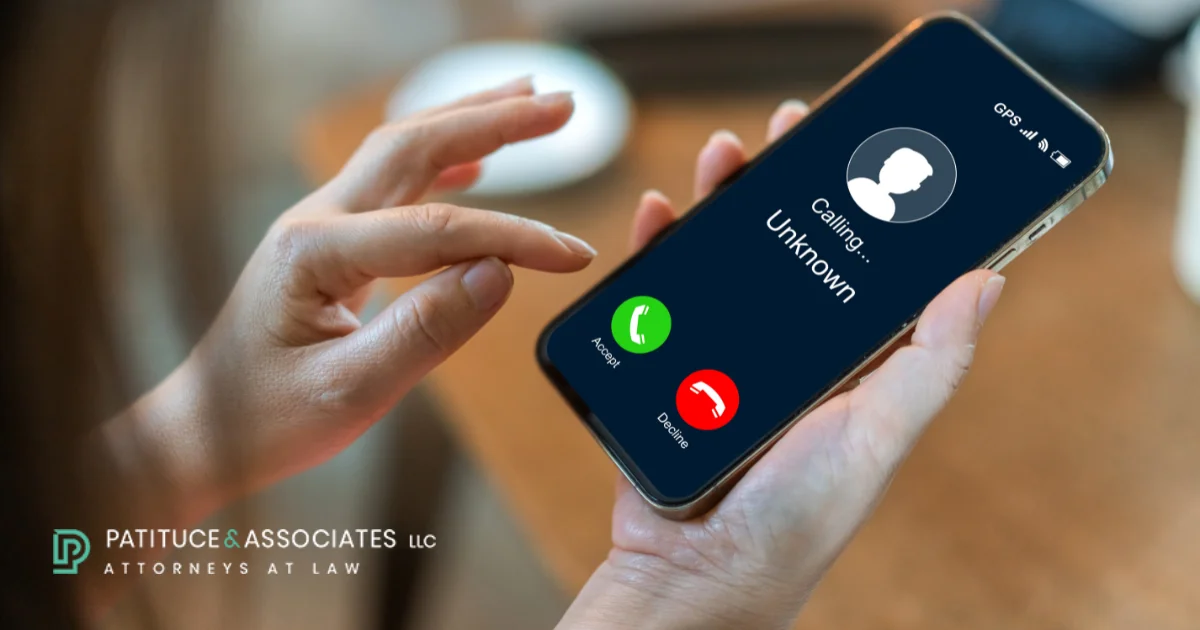
When a loved one is arrested, emotions run high. Whether it is your child, spouse, parent, or close friend, your first instinct is often to help immediately and however you can. Unfortunately, scammers across Ohio and throughout the United States are exploiting these moments of panic and the goodwill of people who just want to lend a hand.
The scammers pose as police officers, sheriff’s deputies, jail staff, court officials, or bail bond agents and call family members to demand immediate payment to “secure release” or “post bond” of a loved one. They sound official. They use convincing language. Sometimes they even have personal information.
If you receive one of these calls, it is almost certainly a scam.
Understanding how this scheme works and how real arrest procedures actually operate can protect you and your family from losing thousands of dollars to a criminal’s tricks.
How the Jail or Bail Scam Works
The “jail or bail” scam follows a predictable pattern designed to create urgency and override your judgment.
1. They Create Panic
The caller claims your loved one has just been arrested and needs money immediately.
They may say the payment is required to avoid:
- Additional criminal charges
- Transfer to another jail facility
- A longer stay in custody
- Immigration consequences
- Loss of eligibility for bond
The goal is simple: make you act before you think. Scammers rely on shock. When you believe someone you care about is sitting in a jail cell, you are far more likely to act quickly without verifying the details.
2. They Spoof Official Phone Numbers
Caller ID might show the phone number of a:
- Sheriff’s office
- Local police department
- Courthouse
- County jail
Modern technology allows scammers to “spoof” legitimate government phone numbers, so the call appears authentic. Seeing a local law enforcement number on your phone does not mean the call is legitimate.
3. They Demand Immediate, Untraceable Payment
Demanding payment immediately is the biggest red flag to look for.
Scammers often insist that payment must be made right away and through methods such as:
- Zelle
- Venmo
- Cash App
- Bitcoin or other cryptocurrency
- Gift cards
- Wire transfers
- Cash picked up by courier or rideshare
No legitimate jail, police department, or court collects bond money through payment apps, cryptocurrency, or gift cards. If someone pressures you to send money electronically within minutes, you are dealing with a scammer, not a government official.
4. They Tell You Not to Call Anyone
Jail or bail scammers frequently say:
- “Do not hang up.”
- “If you call the jail directly, it will delay release.”
- “This is confidential.”
- “You must stay on the line while you complete the transfer.”
This instruction is intentional. They do not want you to verify the story with the actual jail, a lawyer, or another family member. The moment you hang up and independently confirm the facts, the scam collapses.
What Law Enforcement Will Never Do
It is important to understand how legitimate criminal justice procedures work when someone has been arrested. Police officers do not call family members demanding immediate payment. Courts do not collect bond or fines through payment apps or gift cards. Jail staff members do not threaten additional charges if you do not transfer money over the phone. And government agencies do not insist you remain on the phone while transferring funds.
If you are pressured for immediate electronic payment, it is a scam.
Bond procedures in Ohio and other states follow structured, documented processes. Payments are handled through official court or jail systems, not through personal payment apps. For some, the process of paying bond through an official can be frustrating because it may seemingly take too long, so if the person on the phone is trying to rush you through the payment process, then that alone could be a sign that something is very wrong.
Why Jail Scams Are So Effective
Jail or bail scams succeed because they exploit powerful emotions:
- Fear
- Urgency
- Embarrassment
- Confusion
Scammers may also use publicly available jail rosters or arrest logs to sound credible. In some cases, they already know your loved one’s name or basic personal information gathered from social media or public records. That added detail makes the call feel real.
What To Do If You Receive a Jail Scam Call
If you receive a suspicious call claiming a loved one is in jail, take the following steps immediately.
1. Hang Up
Do not argue. Do not explain. Do not negotiate. Simply hang up.
2. Look Up the Official Number Yourself
Never call back the number that contacted you.
Instead, you should:
- Visit the official website of the county jail or sheriff’s office.
- Locate the publicly listed non-emergency number.
- Call that number directly to verify whether your loved one is in custody.
If there has been an arrest, jail staff can confirm booking information through legitimate channels.
3. Contact a Real Criminal Defense Attorney
If your loved one has been arrested, speak directly with a licensed criminal defense attorney, not someone who calls you unexpectedly.
When you contact a local criminal defense law office, an attorney can:
- Confirm custody status
- Explain bond procedures
- Clarify the charges involved
- Protect your loved one’s constitutional rights
- Check that any bond is handled properly and legally
4. Report the Scam
If you were targeted by a jail and bail scam, reporting the attempt to steal your money could help protect others from falling victim to the same scheme.
If you want to report the scam attempt, you can:
- Contact your local police department
- File a complaint with the Federal Trade Commission (FTC)
- Report it to the Ohio Attorney General’s Office
Scam reporting allows law enforcement agencies to track patterns and warn the public. With some luck, your report could be the last piece that law enforcement agencies need to make an arrest or otherwise shut down the scammer’s operation.
Protecting Seniors & Vulnerable Family Members
Jail and bail scams can target anyone, but the perpetrators try to intentionally target:
- Elderly parents
- Grandparents
- Non-English speakers
- Families unfamiliar with how bail works
If you have someone in your life who might be more vulnerable to scam tactics, you should have a conversation now before a scammer gets a chance to try to trick them. Make sure your family understands that they should never send money for bail unless they have personally verified the situation through official sources. A five-minute verification call can prevent thousands of dollars in losses.
Slow Down Before You Send Money
Scammers depend on panic. They want you to believe that seconds matter and that hesitation will harm your loved one. In reality, legitimate criminal proceedings do not require secret, immediate electronic transfers.
If someone calls demanding payment to “get your loved one out of jail,” remember:
Pause. Verify. Protect yourself.
A legitimate arrest will still be there after you confirm the facts. A scammer disappears the moment you hang up.
Need Real Help? We’re Here.
If you believe a loved one has been arrested in Cleveland or anywhere in Ohio, contact an experienced criminal defense attorney from Patituce & Associates directly.
Our legal team helps families navigate:
- Bail and bond procedures
- Criminal charges
- Jail release processes
- Court hearings
We provide real answers based on Ohio law, and we can warn you if we think a scammer tried to trick you earlier.
If you need legal help and got a call from someone saying that a loved one was in jail anywhere in Ohio, call us directly at (440) 771-1175, so we can verify the information and discuss how you can protect your loved one’s rights if they are actually in jail.